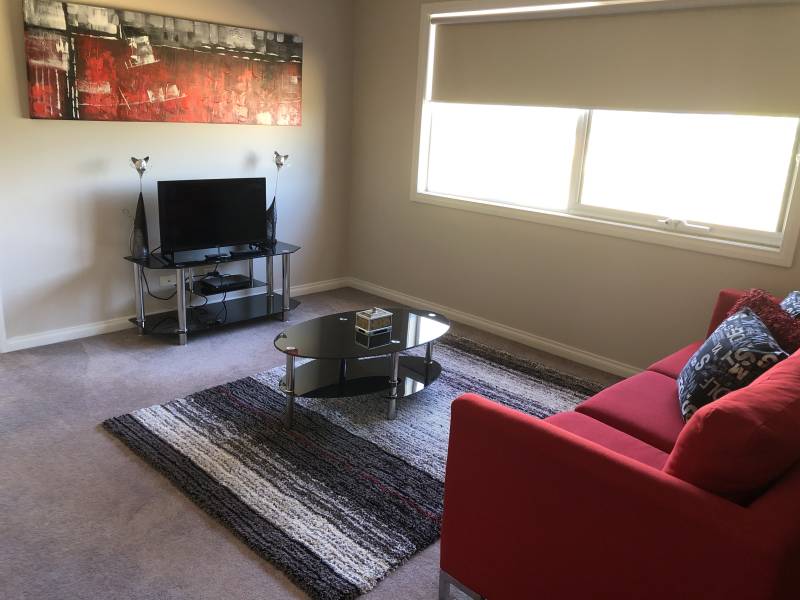
Living sustainably in long-term accommodation benefits your environment, wallet, and overall well-being. Adopting eco-friendly practices can help reduce your carbon footprint and conserve resources while creating a healthier living environment. Simple ways to live more sustainably in long-term housing include using less water and energy, recycling and composting to reduce waste, choosing eco-friendly products and appliances, and using green transportation choices.
You can help make the future more sustainable by making smart choices and adopting eco-friendly habits. You can also enjoy comfortable and eco-friendly living in your long-term housing. This introduction is a place to start for people who want to make their daily lives more sustainable.
Why Is Living Sustainably In Long-Term Accommodation Important?
Sustainable living in long-term housing like hotels and rented homes is not just a trend; it's a necessary step towards a more responsible and eco-friendly way of life. Let's explore the importance of sustainable practices in these settings and how they benefit both the planet and the people living within them.
Reducing Environmental Impact
Long-term accommodations contribute significantly to resource consumption and waste. Hotels, for instance, are responsible for substantial energy and water use due to their 24/7 operations. Rental homes leave a carbon footprint, even though they are different in size and purpose.
This is because they need to heat, cool, and use power. By using renewable energy sources, installing energy-efficient appliances, and improving trash management systems, these accommodations can make a big difference in how they affect the environment.
Economic Benefits
In the hospitality sector, sustainability isn't solely about environmental responsibility; it's a savvy business strategy. Implementing eco-friendly practices like energy-efficient lighting, water-saving fixtures, and improved waste management benefits the planet and slashes operational expenses.
Reduced utility bills translate to significant cost savings, bolstering the bottom line for hotels and resorts. Additionally, sustainability initiatives can attract a burgeoning segment of eco-conscious travellers who prioritise environmentally friendly accommodations. Catering to this demographic not only boosts occupancy rates but also fosters long-term guest loyalty, making sustainability a win-win proposition for both the environment and business profitability.
Enhancing Guest Experience
Today's travellers are increasingly aware of their environmental impact and seek accommodations that reflect their values. Hotels and rental properties that offer sustainable options such as organic linens, non-toxic cleaning products, recycling programs, and energy-efficient utilities provide a value-added experience. This meets guest expectations and elevates the stay experience, making it more fulfilling and guilt-free.
Regulatory Compliance And Incentives
Governments worldwide are tightening environmental regulations and offering incentives for sustainable practices in the commercial sector, including long-term accommodations. By proactively adopting green initiatives, properties can avoid potential fines, benefit from tax breaks, and qualify, which can enhance their marketability.
Long-Term Viability And Community Relations
Sustainable practices ensure the long-term viability of accommodation businesses by preparing them to deal with resource scarcity and changes in the regulatory environment. Furthermore, businesses that reduce their environmental impact often enjoy better relations with the local community. They are responsible neighbours who contribute positively to the area's sustainability goals.
Tips For Living Sustainably In Long-Term Accommodation
Living sustainably in an apartment or any long-term accommodation doesn't just help the planet—it can also be kinder to your wallet and improve your quality of life. Here are actionable tips that can make your home more eco-friendly:
Energy Efficiency
- Switch to LED Bulbs: Use LED bulbs instead of traditional incandescent ones to reduce energy usage and lower electricity bills.
- Smart Thermostats: Install a smart thermostat to control heating and cooling better, reducing energy waste.
- Unplug Devices: Unplug electronics when not in use to avoid 'vampire' energy loss, which can account for a significant amount of energy over time.
Water Conservation
- Fix Leaks: Regularly check for and fix leaks to prevent water wastage.
- Efficient Dishwashers: Use energy-efficient dishwashers and only run them when full to save water and energy.
Waste Reduction
- Recycle and Compost: Set up recycling bins and a composting system for organic waste to minimise landfill contribution.
- Buy Bulk and Avoid Single-Use: Purchase food and other products in bulk to reduce packaging waste and avoid single-use plastics whenever possible.
Sustainable Shopping
- Local and Organic: Buy local, seasonal, and organic products to reduce carbon footprint and support local farmers.
- Second-Hand Items: Opt for second-hand furniture and clothing to reduce demand for new products and their associated environmental impact.
Community Engagement
- Use Public Transport: If you want to lessen your dependency on your vehicles, you should use the closest public transportation options.
- Community Gardens: Participate in or start a garden to grow vegetables and foster community spirit.
Eco-Friendly Home Improvements
- Insulation: Insulating your home can lower the heating and cooling you need. This will keep it warm in winter and cooler in summer.
- Solar Options: Explore solar power options, even small-scale portable panels for apartment balconies, to generate your clean energy.
How Can I Minimise Waste In My Long-Term Accommodation?
Living sustainably in long-term accommodations such as apartments or rental homes presents unique challenges, especially regarding waste reduction. Here are effective strategies to help you minimise waste and make your living space more eco-friendly.
Embrace Rigorous Recycling Practices
Before diving into recycling, acquaint yourself with your local recycling regulations. Each municipality has guidelines, so knowing what materials are accepted in your area is key. Establishing a dedicated recycling area at home facilitates proper waste sorting and simplifies the recycling process. This ensures that you segregate recyclables effectively, contributing to more efficient recycling practices and reducing the likelihood of contamination in recycling streams.
Reduce Single-Use Plastics
Reducing waste begins with minimising single-use plastics. Embrace reusable alternatives such as shopping bags, water bottles, and storage containers. Prioritise products with minimal packaging during shopping or frequent stores that offer bulk options to reduce packaging waste. By adopting these practices, you decrease your environmental footprint and inspire others to make sustainable choices, contributing to a collective effort in combating plastic pollution and promoting a greener, more sustainable future.
Opt For Reusable Over Disposable
Investing in durable, reusable items like cloth napkins, rechargeable batteries, and glass containers offers long-term benefits. Though they may entail a higher initial cost, these items prove cost-effective over time by eliminating the need for disposable alternatives. Additionally, by reducing waste generation, you contribute to environmental preservation while enjoying the convenience and sustainability of reusable products.
Minimise Food Waste
Planning meals and adhering to a shopping list can prevent overbuying and reduce food waste. Proper storage techniques prolong the freshness of perishables, while creative use of leftovers minimises disposal. Composting organic waste further diminishes your ecological impact; inquire about community composting services or establish a personal compost bin to repurpose food scraps and yard waste. Implementing these practices reduces waste and contributes to sustainable living and environmental conservation.
Engage In Community Recycling Programs
Many communities offer recycling programs for items not typically picked up in curbside recycling, such as electronics, textiles, and certain plastics.
Purchase Wisely
When buying new items, choose products made from recycled materials and those easily recycled at the end of their life. Supporting companies with sustainable practices also helps promote the broader use of eco-friendly products and packaging.

Educate Yourself And Others
Staying informed about waste reduction techniques and the environmental impact of waste helps maintain your commitment to sustainability. Share your knowledge with friends and neighbours; sometimes, simple conversations can spark significant changes.
Use Digital Solutions
Reduce paper waste by switching to digital invoices, receipts, and documents whenever possible. Additionally, consider unsubscribing from physical mail lists and opting for online subscriptions and communications.
The Challenges Of Sustainable Living In Rental Properties
Living sustainably in a rental property comes with a unique set of challenges. While homeowners can freely modify their living spaces to suit their environmental goals, renters often find themselves bound by lease agreements and property management rules that can restrict significant changes. Here, we explore these challenges and offer practical solutions for renters keen on adopting sustainable living practices.
Structural Modifications Are Off-Limits
One of the most significant hurdles for renters is the need for structural modifications that could enhance energy efficiency. Homeowners can install solar panels, replace windows, and add insulation, but renters must navigate these limitations creatively. For instance, while you cannot replace windows, you can use heavy curtains or window films to improve insulation.
Dependency On Landlord Approvals
Negotiating with landlords for sustainable upgrades involves showcasing potential benefits like increased property value and utility savings. Renters can emphasise the long-term value of eco-friendly features or seek properties already equipped with such amenities.
Some landlords may be open to discussing installing energy-efficient appliances or implementing green building practices, especially if it enhances the property's appeal and marketability. Additionally, exploring properties marketed as eco-friendly may offer renters a head start in finding accommodations aligned with their sustainability goals.
Lack Of Incentives For Long-Term Investments
Renters might not be motivated to invest in high-quality, sustainable appliances or fixtures when they move from one rental to another. The transient nature of renting discourages investment in long-term sustainability upgrades that won't be taken to the next home.
However, portable solutions like energy-efficient light bulbs, low-flow showerheads, and smart power strips can be effective and move with the renter.
Restrictions On Outdoor Spaces
While renters may need more control over outdoor gardening spaces, alternatives like container gardening, community gardens, or indoor hydroponic systems offer sustainable food-growing solutions.
These methods enable renters to cultivate their produce regardless of outdoor space limitations. Container gardening utilises pots and planters on balconies or windowsills, while community gardens provide shared growing spaces. Indoor hydroponic systems use water-based solutions to cultivate plants indoors, offering an eco-friendly option for those with limited outdoor access.
Waste Management Constraints
Renters facing inadequate recycling and composting facilities can seek nearby waste management centres that accept recyclables and compost. Alternatively, they can initiate discussions with property managers to improve on-site waste management systems, advocating for better recycling and composting infrastructure. By engaging with property managers and local waste management facilities, renters can contribute to more sustainable waste practices within their communities while overcoming the challenges posed by limited on-site facilities.
Energy Usage Limitations
While renters may lack control over utilities or major HVAC system alterations, they can still reduce energy consumption. Strategies include deploying draft stoppers, utilising area rugs and thermal curtains to minimise heating requirements, and opting for fans over air conditioning when feasible. These minor adjustments can contribute to energy conservation and lower utility bills, offering renters practical ways to enhance sustainability within their living spaces despite limitations imposed by leasing agreements.
Conclusion
Living sustainably in a long-term housing environment, your wallet and general health need to live in settings that are good for the earth; you can lower your carbon footprint, save resources, and make the place where you live healthier. Some easy ways to live more sustainably are to use less water and energy, recycle and compost, buy goods and appliances that are better for the environment, and choose green ways to get around.
There are rewards and rules for long-term success and good relationships with the community. Property owners can escape fines, get tax breaks, and make their homes more marketable by taking green actions. Sustainable practices also help lodging businesses stay open in the long run by preparing them to deal with changes in the regulatory environment and limited resources.
Some tips for living properly in long-term housing are to use less energy and water, cut down on waste, shop in ways that are good for the environment, get involved in your community, and make eco-friendly changes to your home. To make your home more eco-friendly, use LED bulbs and smart thermostats, unplug devices, fix leaks, use energy-efficient tools, recycle, buy in bulk, buy local and organic products, and choose used items.
Living wisely in long-term places like apartments or rental homes is harder than it sounds when reducing waste. Make your home more eco-friendly and reduce waste by recycling more, using less single-use plastics, choosing reusable items like cloth napkins, rechargeable batteries, and glass containers, wasting less food, taking part in community recycling programmes, shopping wisely, learning how to reduce waste, and using digital solutions.
Because of lease agreements and property management rules, it can be hard for renters to live in a way that is good for the environment. Changes to the structure are not allowed, but renters can find clever ways to get around these restrictions. When negotiating with renters for environmentally friendly improvements, it's important to show them how they could help the property's value and save money on utilities. Some landlords might be willing to talk about using energy-efficient appliances or green building methods, especially if it makes the property more appealing and marketable.
When people move between rentals, landlords may avoid buying high-quality, environmentally friendly appliances or fixtures. However, portable options like energy-efficient light bulbs, low-flow showerheads, and smart power strips can work. Renters who can't get outside can grow food with alternatives like container gardening, community gardens, or indoor hydroponic systems.
Renters who live in places that don't have enough recycling and composting bins can go to a nearby waste management centre or talk to the property owners about improving the waste management systems on-site. Putting up draft stoppers, using area rugs and thermal curtains to keep rooms warmer, and choosing fans over air conditioning when possible are all ways to lower your energy use. Using these tips, renters can help make trash disposal more environmentally friendly in their neighbourhoods while still getting around the restrictions that come with their leases.
Content Summary
- Living sustainably in long-term accommodation benefits your environment, wallet, and well-being.
- Eco-friendly practices reduce your carbon footprint and conserve resources.
- Simple, sustainable actions include using less water and energy.
- Recycling and composting help reduce waste in long-term housing.
- Choosing eco-friendly products and appliances contributes to a healthier living environment.
- Utilising green transportation options also aids in sustainable living.
- Making smart, eco-friendly choices ensures a comfortable living environment.
- Sustainable living is necessary for a responsible, eco-friendly lifestyle, especially in long-term settings.
- Long-term accommodations like hotels and rental homes significantly impact resource consumption and waste.
- Adopting renewable energy sources and energy-efficient appliances can mitigate these effects.
- Sustainability in the hospitality sector is both an environmental duty and a business strategy.
- Energy-efficient practices in hotels reduce operational costs and attract eco-conscious travellers.
- Sustainable practices enhance guest experiences by aligning with their environmental values.
- Governments offer incentives for sustainable practices in the commercial sector.
- Long-term viability and good community relations stem from sustainable business practices.
- Implementing eco-friendly initiatives in accommodations avoids fines and garners tax breaks.
- Energy efficiency measures, like using LED bulbs and smart thermostats, reduce utility bills.
- Fixing leaks and using efficient appliances can significantly save water.
- Reducing waste involves setting up dedicated recycling and composting systems at home.
- Buying bulk and minimising single-use plastics help reduce packaging waste.
- Purchasing local and organic products supports local farmers and reduces carbon emissions.
- Using public transportation and participating in community gardens promotes community spirit.
- Insulating your home helps maintain temperature control and reduces energy use.
- Even on a small scale, exploring solar power options can generate clean energy.
- Knowing local recycling regulations and a proper recycling system is crucial for effective waste management.
- Reducing single-use plastics using reusable alternatives like shopping bags and water bottles is essential.
- Investing in durable, reusable items saves money and reduces waste over time.
- Minimising food waste by planning meals and using leftovers creatively is crucial.
- Engaging in community recycling programs helps manage waste that is not typically picked up curbside.
- Educating yourself and others about waste reduction strengthens community sustainability efforts.
- Digital solutions for reducing paper waste include switching to digital invoices and unsubscribing from physical mail lists.
- Renters face unique challenges in living sustainably due to restrictions in making structural changes.
- Negotiations with landlords for sustainable upgrades can highlight benefits like increased property value.
- Portable sustainability solutions like energy-efficient light bulbs are ideal for renters.
- Container gardening and indoor hydroponic systems offer gardening solutions without the need for outdoor space.
- Discussing with property managers can improve recycling and composting facilities.
- Minor energy-saving measures like draft stoppers can significantly lower energy consumption.
- Living sustainably in long-term accommodations doesn't just help the planet but also enhances personal quality of life.
- Sustainability isn't just a trend; it's crucial for the future of our environment and society.
- Adopting green building practices can enhance a property's appeal and marketability.
- Eco-friendly home improvements like non-toxic cleaning products add value to the accommodation experience.
- Long-term accommodations contribute to high energy and water use levels, necessitating sustainable practices.
- Sustainable shopping habits, like choosing second-hand items, decrease the demand for new product production.
- Waste reduction also involves purchasing wisely—opting for items made from recycled materials.
- Regulatory compliance is easier for properties proactively adopting sustainable practices.
- Utilising public transport lessens dependence on personal vehicles, contributing to reduced emissions.
- Solar options for apartments include portable panels that can be used even in small spaces.
- Community engagement through sustainability initiatives can foster significant environmental improvements.
- Reducing environmental impact involves more than individual actions; it requires collective effort and systemic change.
- The benefits of living sustainably in long-term accommodations extend beyond environmental impact to include economic advantages and improved quality of life.
FAQ About Accommodation
Sustainable living reduces utility bills by reducing water and energy usage. Energy-efficient appliances, lighting systems, and water-saving fixtures can significantly lower monthly expenses. Additionally, buying in bulk and choosing reusable items over disposables can decrease everyday costs.
Yes, renters can adopt many sustainable practices without needing major structural changes. Effective steps include using energy-efficient portable appliances, thermal curtains for insulation, and engaging with landlords about installing greener options. Participating in local community gardens or starting an indoor hydroponic garden are great ways to contribute to sustainability.
Sustainable practices reduce the overall consumption of resources like water and energy and minimise waste production. This leads to a lower carbon footprint and less environmental degradation. Sustainable living also supports biodiversity and helps maintain healthier ecosystems by reducing pollution and conserving natural habitats.
Technology can greatly enhance sustainable living through smart home systems that optimise energy and water use, apps that monitor resource consumption, and digital platforms that facilitate the sharing or renting of household items. These technological solutions help residents maintain efficient, eco-friendly lifestyles with ease.
Present the benefits of sustainability improvements, such as potential increases in property value, reduced operating costs, and appeal to eco-conscious renters. Suggest specific, cost-effective upgrades like energy-efficient lighting or water-saving devices. Offer to help with the research or coordination of implementing these changes and highlight any available government incentives.



